Est. Reading: 6 Mins
Fabric pilling can be frustrating, especially when it appears on a new sofa or chair that you have just invested in. Those small fuzz balls often raise concerns about whether the fabric is defective, poorly made, or not built to last.
At La-Z-Boy, fabric pilling is one of the most common upholstery questions we receive across our Ottawa, Gatineau, and Kingston locations. According to Mary Lee Smyth, Interior Designer at La-Z-Boy Kingston, understanding why pilling happens is the key to managing it with confidence instead of worry.
“Pilling is unique to every fabric piece, so you need to know what kind of fabric you have to tackle it properly,” Mary Lee explains.
This guide walks you through what fabric pilling really is, why it happens, how to reduce it, and how to fix it safely so your furniture continues to look great for years.
Key Takeaways:
- Fabric pilling is normal and does not indicate poor-quality furniture or faulty manufacturing.
- All upholstery fabrics can pill to some degree, especially during the early months of use.
- Friction and loose fibres are the primary causes of pilling on sofas and chairs.
- Pilling is cosmetic only and does not affect fabric strength or lifespan.
- Using a fabric shaver correctly can permanently resolve the issue.
- La-Z-Boy offers over 800 upholstery options, including tightly woven fabrics and leather alternatives that reduce or eliminate pilling.
In This Article...
- My new sofa is pilling. Is that normal?
- Why is my couch fabric pilling so quickly?
- How do I stop fabric pilling from getting worse?
- Does fabric pilling mean the fabric is of poor quality?
- How do you safely remove fabric pilling?
- Why does pilling sometimes come back?
- FAQs
My New Sofa is Pilling. Is That Normal?
Yes, fabric pilling on new furniture is completely normal, and in most cases, expected.
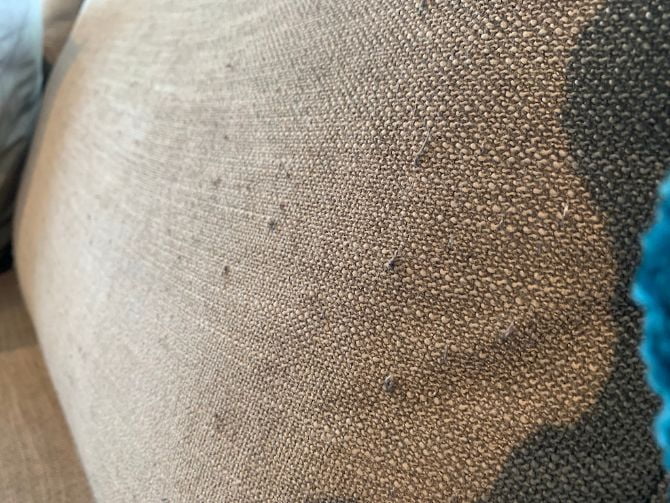
Fabric pilling occurs when loose fibres rise to the surface of the fabric and tangle together due to everyday friction from sitting, standing, or shifting positions. This is especially common during the first few months of ownership as excess fibres naturally work their way out of the upholstery.
“Pilling is not a defect, and it does not mean the fabric is failing,” says Mary Lee. “It is simply part of the break-in process for many upholstery fabrics.”
Much like a new carpet shedding fibres or a sweater producing lint early on, upholstered furniture goes through an adjustment phase. Once those excess fibres are removed, pilling typically slows significantly or stops altogether.
Solution
Give your furniture time to settle in before assuming there is an issue. Early pilling is part of the fabric’s natural break-in period and often resolves once excess fibres are removed. Monitoring the fabric and addressing pilling early helps prevent it from building up over time.

Why is My Couch Fabric Pilling So Quickly?
Fabric pilling tends to develop faster in high-contact areas, such as:
- Seat cushions
- Armrests
- Headrests
- Areas frequently rubbed by blankets or clothing
Modern upholstery fabrics are designed to be soft, flexible, and comfortable, often using blended yarns or microfibres. While these fibres improve comfort, they can loosen more easily under repeated friction.
Mary Lee points out that chenille fabrics, patterned weaves, and blended materials are more prone to pilling because of their fibre structure and texture.
Environmental factors can also play a role. Clothing materials, pet hair, and even how often a seat is used can influence how quickly pilling appears.
Solution
Reduce unnecessary friction wherever possible by rotating cushions regularly and avoiding rough or abrasive throws. Spreading seating use evenly across the furniture also helps slow down how quickly pilling develops in specific areas.
How Do I Stop Fabric Pilling From Getting Worse?
While fabric pilling cannot be eliminated with fabric upholstery, it can be significantly reduced with a few proactive habits.
Here are practical ways to slow the process:
- Choose tightly woven fabrics when purchasing new furniture
- Rotate cushions frequently to distribute wear evenly
- Avoid abrasive materials, such as coarse blankets or clothing with exposed zippers
- Use furniture normally, but avoid aggressive rubbing or pulling
For homeowners who want to avoid pilling altogether, leather upholstery is a pilling-free alternative, since it contains no loose fibres on the surface.
To learn more about the comparison between Fabric vs Leather Furniture, take a look at this article.
Solution
Making thoughtful choices both at the time of purchase and during everyday use greatly reduces future pilling. While you cannot prevent it entirely, these steps can minimize how noticeable and frequent it becomes.

Does Fabric Pilling Mean the Fabric Is Poor Quality?
This is one of the most common misconceptions surrounding upholstery.
“Pilling happens across all fabric grades, including high-end upholstery,” Mary Lee explains. “It does not reflect poor craftsmanship or inferior materials.”
Pilling affects appearance only, not the performance or durability of the fabric. Upholstery that pills are still structurally sound and capable of lasting for many years.
Pilling vs Actual Fabric Wear
- Pilling is cosmetic, temporary, and removable
- Wear or thinning is structural and may require repair or replacement
If the fabric begins to thin, tear, or develop holes, that indicates wear. Pilling alone does not.
Solution
View pilling as routine maintenance rather than a quality concern. Addressing it early helps maintain appearance and prevents unnecessary worry about the fabric’s longevity.
To learn more about the Quality of La-Z-Boy Furniture in general, take a look at this article.
How Do You Safely Remove Fabric Pilling
Removing fabric pilling is simple when done correctly and with the right tools.
According to John, Senior Technician at La-Z-Boy Ottawa, Gatineau and Kingston, patience is more important than force when addressing pilling.
Step 1: Use a Quality Fabric Shaver
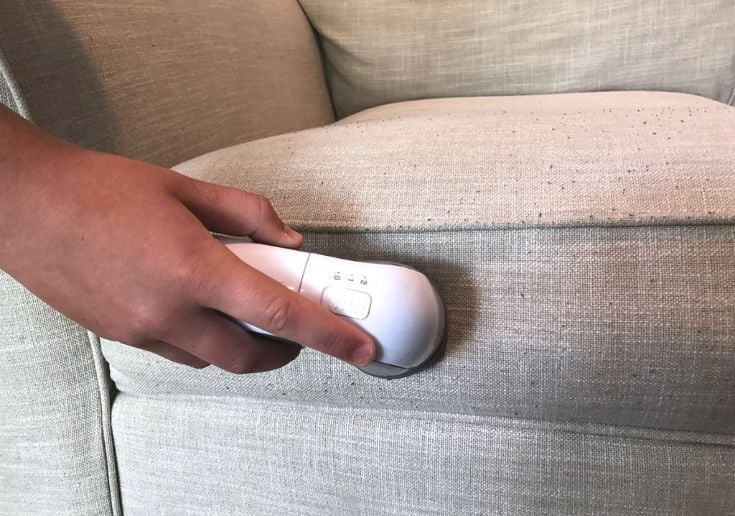
Choose a sturdy fabric shaver with a wider head for better control and efficiency. John recommends the Conair Extreme Fabric Defuzzer, which is reliable and easy to maneuver on large surfaces.
Step 2: Shave Gently
Move the shaver slowly across the fabric using light, even pressure. Let the blade skim the surface rather than dig into the fabric.
Step 3: Repeat Over Time
“You may need to repeat the process a few times over several weeks,” John explains. “Each session removes more loose fibres until there is nothing left to take.”
Solution
Take your time and work in stages rather than trying to remove all pilling at once. Gentle, repeated treatments protect the fabric while delivering long-term results.
Why Does Fabric Pilling Sometimes Come Back?
If pilling reappears after the first treatment, this is completely normal.
Some fabrics contain multiple layers of loose fibres, especially early in their lifespan. Each shaving session removes another layer until the fabric stabilizes fully.
This is why pilling often resolves permanently after a few treatments rather than all at once.
Solution
Do not be discouraged if pilling returns briefly after the first shave. Repeating the process a few times ensures all excess fibres are removed, leading to a smoother surface long-term.
FAQs
What’s Next?
Pilling is a common and manageable issue that should not deter you from investing in upholstered furniture. By understanding the causes and treatments, you can maintain your furniture’s appearance and enjoy it for years to come.
If you ever have a problem with La-Z-Boy upholstery, do not hesitate to reach out to any of our Ottawa, Gatineau or Kingston Locations. We are always there to lend a helping hand whenever you need it.
If you’re not sure what kind of upholstery you want on your furniture, our design consultants are eager to lend a helping hand. Further, consider taking advantage of our interior design services by coming in-store or by scheduling an appointment online.
If you want to further familiarize yourself with our fabric selection at La-Z-Boy, take a look at our Comprehensive Fabric Selection Guide.
Related Links
What is the Best Fabric for your Sofa? (Leather vs. Fabric)