The easiest way to start layering decor is by adding textiles such as throw pillows, blankets, and an area rug. These pieces introduce texture and colour while helping the room feel softer and more comfortable.
Est. Reading Time: 6 Mins
Decorating a living room in layers is one of the most effective ways to create a space that feels inviting, intentional, and visually rich. Instead of relying on a single statement piece, layered decorating uses furniture, textiles, decor, colour, and lighting to build depth and personality over time.
“Layering isn’t about filling every inch of a room,” explains Michelle MacLellan, Interior Designer at La-Z-Boy Hunt Club. “It’s about creating balance and interest so the space feels complete rather than flat.”
In this guide, you’ll learn what layered decorating means, how designers layer a room step by step, and how to apply these principles to Ottawa-area homes, whether you’re starting from scratch or refreshing an existing space.
Key Takeaways
- Layered decorating adds depth, warmth, and personality to a living room by combining furniture, colour, lighting, and decor in intentional stages.
- Interior designers typically layer a room in a specific order, starting with structure and ending with accessories, to avoid clutter and visual imbalance.
- Anchor furniture pieces like sofas, recliners, and area rugs establish scale and layout, making the rest of the design easier to build.
- A cohesive colour palette helps multiple layers work together without overwhelming the space.
- Mixing materials and textures creates contrast and prevents a room from feeling flat or one-dimensional.
- Layered lighting enhances comfort, ambiance, and functionality, especially in Ottawa homes with seasonal changes in daylight.
In This Article...
- What Does It Mean to Decorate in Layers?
- Steps to Layering Your Living Room
- Common Mistakes When Layering Decor
- Examples of Layering Your Living Room
- Should You Layer Your Living Room?
- FAQs
What Does Layering Mean in Interior Design?
Layering in interior design means building a living room gradually, using multiple design elements that complement one another rather than compete for attention.
Instead of relying on one statement piece, layering blends furniture, textiles, decor, lighting, and colour to create a space that feels intentional and lived-in.
Each layer serves a distinct role in the design. Furniture establishes function and layout; colour sets the emotional tone; textures add warmth and contrast; lighting creates mood; and accessories bring personality and story. When these layers work together, the room feels thoughtfully designed rather than flat, sparse, or overly staged.
“As designers, we use layering to give a room character,” says Michelle. “Without layers, even beautiful furniture can feel flat.”

Why Layering Decor Makes a Living Room Feel Complete
A living room without layered elements can often feel unfinished or flat, even when the furniture itself is beautiful. Layering decor helps connect the different parts of a room so the space feels balanced and comfortable rather than sparse.
When multiple design elements work together, they add visual depth to the room. Rugs soften large furniture pieces, lighting creates atmosphere, and textiles like throw pillows or blankets introduce contrast and warmth. These layers guide the eye through the space and help the room feel cohesive instead of disconnected.
Layering also makes a living room feel more personal. Accessories, artwork, and decorative objects bring character to the space and prevent it from looking overly staged.
Step 1: Respect the Foundation of Your Home
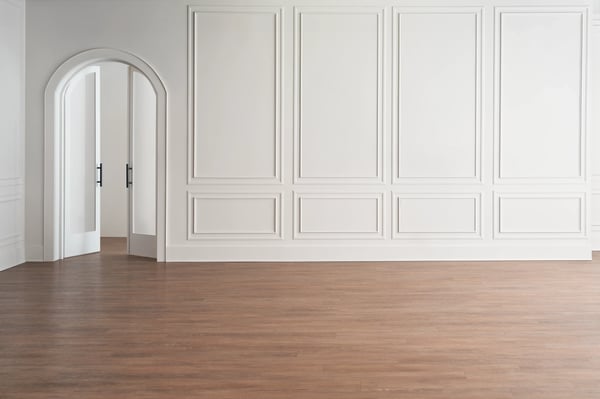
Every layered living room starts with its architectural foundation. This includes ceiling height, wall layout, flooring, windows, natural light, and any built-in features such as fireplaces or millwork. These elements influence how much visual weight the room can handle.
Even homes with simple architecture offer flexibility. Neutral walls and standard ceilings act as a blank canvas, allowing furniture, colour, and decor to take center stage. Understanding the foundation helps you decide where to add contrast and where to keep things subtle.
Taking time to assess your space first prevents over-decorating and ensures that each added layer enhances the room rather than competing with it.
When it comes to living rooms, arranging your furniture is important. To learn more about Arranging Your Furniture, take a look at this article.
Step 2: Start with Large Furniture Pieces
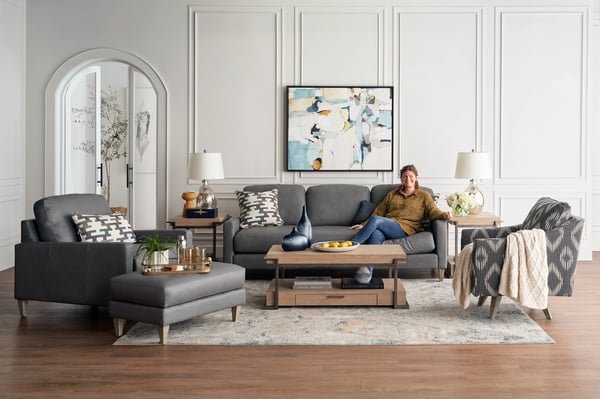
Large furniture pieces define the layout and scale of your living room. These usually include sofas, sectionals, recliners, accent chairs, coffee tables, and area rugs, which many homeowners overlook as a foundational layer.
“These pieces ground the space and give everything else a sense of order,” Michelle explains. “Once anchors are in place, layering feels much more natural.”
Area rugs are especially important in open-concept homes, common in Ottawa. They help define seating zones, reinforce the colour palette, and introduce texture early in the design process, making it easier to layer accessories later.
To learn more about How to Select the Perfect Area Rug for Your Home, take a look at this article.
Step 3: Figure Out a Colour Palette
A clear colour palette keeps layered decorating from feeling chaotic. Many designers follow the 60-30-20 rule, where one dominant colour anchors the space, a secondary colour supports it, and an accent shade adds interest.
Neutral palettes are especially effective for anchor furniture, while accent colours can be introduced through pillows, throws, artwork, and decor. This approach allows the room to evolve seasonally without major changes to the furniture.
“Neutrals give your eyes a place to rest,” Michelle notes. “They also make it easier to refresh your living room without starting over.”
To get the latest Colour Trends for 2026, take a look at this article to help you get inspired.
Step 4: Mix Materials and Textures
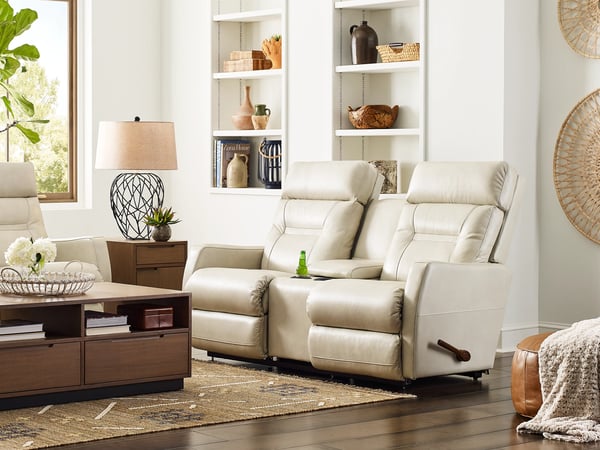
Materials and textures bring physical depth to a layered living room. Mixing soft fabrics with harder surfaces like wood, metal, glass, and stone creates contrast and visual rhythm throughout the space.
The goal is balance. Too many similar textures can feel monotonous, while too much contrast can feel disjointed. Repeating materials in small ways, such as wood tones or metal finishes, helps tie layers together.
Michelle advises caution when mixing similar materials in different tones. Without intention, this can look mismatched rather than layered, especially with wood furniture.
To learn more about Mixing and Matching Wood Furniture, take a look at this article.
Step 5: Introduce Lighting Layers
Lighting is one of the most important and overlooked layers in living room design. Layered lighting combines ambient, task, and accent lighting to provide flexibility and comfort throughout the day.
Overhead lighting provides general illumination, while table lamps and floor lamps add warmth and intimacy. Accent lighting draws attention to artwork, architectural details, or textured walls.
“A room with only one light source rarely feels inviting,” Michelle says. “Layered lighting lets you adjust the mood depending on how the space is being used.”
Mirrors can also serve as a lighting layer, reflecting natural light and making darker rooms feel brighter, which is especially valuable during Ottawa’s winter months.
To learn more about Adding Light to Your Living Room, take a look at this article.

Step 6: Add Decorative Accessories
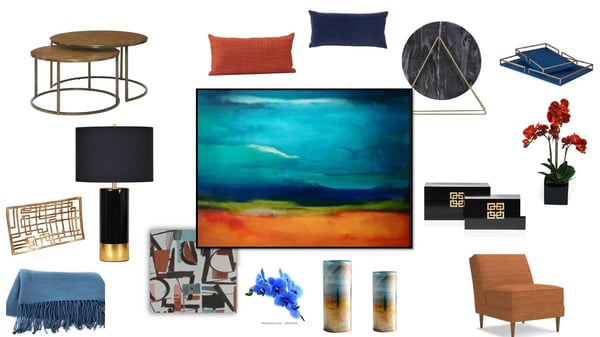
Decor is the finishing layer that gives a living room personality. Items like cushions, throws, artwork, trays, and decorative objects should enhance the space without overwhelming it.
Varying heights, shapes, and groupings add dimension. Gallery walls, layered frames, and leaning artwork create depth, while textiles soften the room and make it feel welcoming.
Michelle recommends stepping back often while decorating. “If everything is competing for attention, the room needs editing. Layering works best when there’s a balance between interest and restraint.”
There are many ways to decorate your home. To learn more about some Popular Ideas for Decorating Your Living Room, take a look at this article.
Common Mistakes When Layering Decor
One of the most common mistakes in layered decorating is adding too many layers without a clear plan. When colour, texture, and decor all compete, the room can quickly feel cluttered instead of curated.
Another frequent issue is ignoring scale, such as pairing oversized furniture with small decor or relying on a single overhead light. Skipping foundational steps and jumping straight to accessories often leads to a disjointed look.
Successful layering always starts with structure and builds gradually. Editing is just as important as adding, ensuring each layer supports the overall design rather than distracting from it.
Example of a Layered Living Room Layout
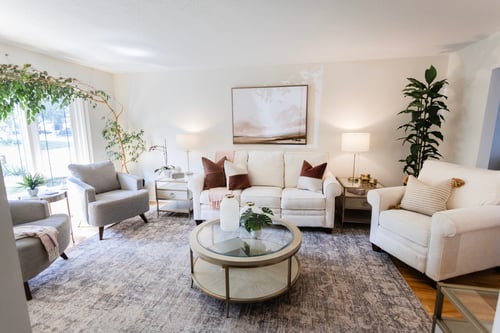
Below is an example of a living room Michelle has worked on. "This living room in Ottawa that I did perfectly defines what it means to have a layered living space," she says.
Rather than decorating everything at once, she considered what the space already had. Because it had so much natural light, she thought it would be ideal to start by figuring out a colour palette that complemented it. She also noticed that her client loved plants, so she wanted to incorporate some organic elements in there as well.
As mentioned above, she started with picking out larger furniture pieces to anchor the space. because she picked a sofa and chairs that had light tones, she knew she had to keep that same theme of lightness throughout the room.
Because of this, she picked light-toned wood textures for the side tables and blush pillows and throws to add a bit of depth, but not too much. She also added a glass coffee table to keep the light theme throughout the room.
Lastly, she completed the space with some finishing touches. To help with layering, she added mood lighting at night, a painting above the sofa that matches the blush decor, and an area rug to tie the room together.
“As designers, we usually build a room in layers, starting with furniture and layout,” says Michelle. “Once those foundations are set, we add lighting, textiles, and accessories to create warmth and personality. That’s when the room really starts to feel finished.”
To see more of this Design Story, take a look at this article.
Should You Use Layering in Your Living Room?
Layering is one of the most widely used techniques in interior design because it helps transform a room from feeling flat to feeling welcoming and complete. Even a living room with beautiful furniture can feel unfinished if the design relies on only one or two elements.
By combining furniture, lighting, textures, and decorative pieces, layering introduces depth and visual interest. Designers often describe this as the difference between a room that looks staged and one that feels comfortable and lived-in.
Layering also helps balance the proportions of a room. Large furniture pieces such as sofas or sectionals can feel heavy on their own, but adding rugs, lighting, pillows, and artwork softens the space and connects the different parts of the room together.
Michelle explains that layering is especially helpful in living rooms because they serve multiple purposes.
“A living room is where people relax, entertain, and spend time together,” she says. “Layering allows you to combine comfort with visual interest so the space feels inviting for everyday living.”
The best part is that layering does not require a complete redesign. Many homeowners gradually build layers over time by adding textiles, decor, and lighting that complement their existing furniture. Done thoughtfully, layering allows a living room to evolve naturally while still feeling cohesive and intentional.
FAQs
What's Next?
Now that you know how to decorate your room in layers, it is up to you to decide how you will decorate your space.
As Michelle mentions in this article, seasonal decor is a great way to freshen up your living room. To learn more about how to Decorate Your Living Room For Each Season, take a look at this article.
While learning about our home decor selections, you can visit one of our La-Z Boy Ottawa, Gatineau & Kingston stores to see our home decor items in person. You can also schedule a visit online before coming in.
Our design consultants are always eager to lend a helping hand. Take advantage of our complimentary interior design services to see how our furniture and decor could fit in your home.
To learn more about our La-Z-Boy decor selection, take a look at this comprehensive Decor Buyer’s Guide.
Related Articles: